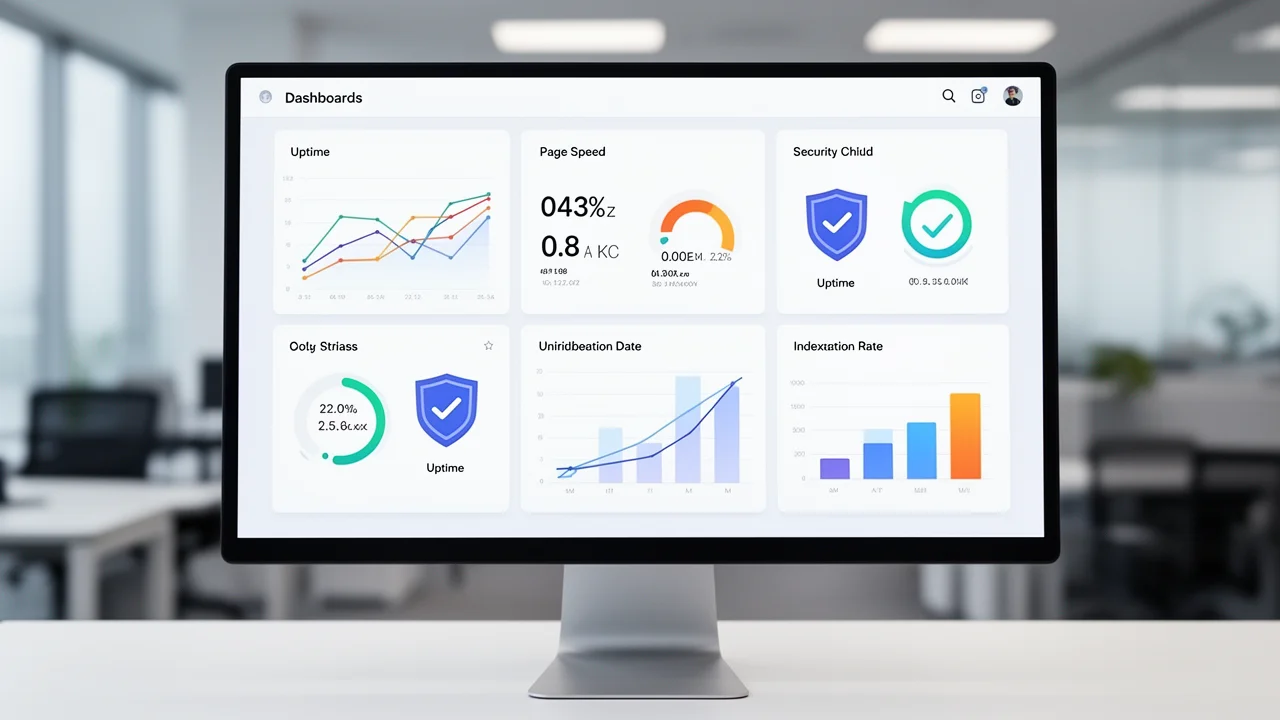
Why Monitoring is Non-Negotiable for PBNs
A Private Blog Network is a dynamic asset, not a static one. Continuous PBN performance monitoring is the early warning system that alerts you to problems before they damage your network’s credibility and your money site’s rankings. Without monitoring, you are flying blind—a site could be down for weeks, hacked and serving malware, or de-indexed without your knowledge, rendering its links worthless or harmful. Effective monitoring provides the data needed for informed management decisions, turning reactive firefighting into proactive maintenance. This data-driven approach complements the foundational setup ease provided by solutions like Turbo Subdomains Software.
The Four Critical Monitoring Categories
A comprehensive monitoring strategy covers four essential areas: Uptime & Availability, Site Performance & Speed, Security Status, and Search Engine Indexation.
1. Uptime & Availability Monitoring
If a PBN site is offline, it cannot pass link equity.
- Tools: Services like UptimeRobot, Pingdom, or StatusCake. * Key Metrics: Uptime percentage (aim for 99.9%+), response time, and downtime incident alerts. * Best Practice: Set up alerts to notify you via email, SMS, or Slack within minutes of an outage. Monitor not just the homepage, but also key inner pages that host your placed links.
3. Security & Malware Monitoring
A hacked site is a liability that can infect visitors and create toxic footprints.
- Tools: Security plugins (Wordfence, iThemes Security), external scanners (Sucuri SiteCheck, Quttera). * Key Metrics: Blacklist status (Google Safe Browsing), malware detection, failed login attempts, and out-of-date software alerts. * Best Practice: Schedule weekly external scans and review security plugin logs. Immediate action is required for any malware or blacklisting detection.
4. Search Engine Indexation & Health
A site must be indexed to have SEO value. Monitoring ensures it stays that way.
- Tools: Google Search Console (GSC) is indispensable. Supplemental tools include Ahrefs Site Audit. * Key Metrics: Index coverage (pages indexed vs. submitted), manual action alerts, crawl errors, and ‘Discovered - currently not indexed’ statuses. * Best Practice: Verify each PBN site in GSC. Check for manual penalties monthly and investigate any sudden drops in indexed pages. This is a core component of the broader complete PBN management discipline.
Building a Centralized Monitoring Dashboard
Checking dozens of individual tools is inefficient. The goal is data aggregation.
- Use Dashboard Tools: Platforms like Datadog, Grafana, or even custom spreadsheets can pull in key metrics from various APIs. * Create Health Scores: Assign a simple score (e.g., Green/Yellow/Red) to each site based on uptime, speed, security, and indexation. * Schedule Regular Reports: Weekly or monthly summary emails that highlight any sites falling below thresholds allow for prioritized action. Integrating these reports is a natural extension of automating PBN maintenance.
Key Performance Indicators (KPIs) to Track
Focus on these KPIs to gauge overall network health:
- Network Uptime Average: Should be >99.5%. 2. Average Page Load Time: Aim for under 3 seconds across the network. 3. Sites with Valid SSL: Must be 100%. 4. Indexation Rate: Percentage of intended pages that are indexed. Sudden drops are red flags. 5. Domain Authority (DA)/DR Stability: Track these metrics monthly; gradual growth is good, sudden drops are bad.
Monitoring these KPIs helps SEO professionals, like those discussed at PBN SEO Professionals, make strategic decisions about resource allocation and network development.
Responding to Monitoring Alerts
An alert is useless without a response protocol.
- Downtime: Immediately check if it’s a hosting issue, DNS problem, or plugin conflict. Contact support if needed. * Slow Performance: Audit plugins, enable caching, optimize images, or consider a CDN or better hosting plan. * Security Threat: Isolate the site, scan for malware, restore from a clean backup, and update all software. * De-indexation: Investigate for possible penalties, thin content, or technical issues blocking crawlers. Remove the site from active link campaigns until resolved.
A disciplined response plan turns monitoring from an information stream into an actionable management system, safeguarding your overall content network investment.